
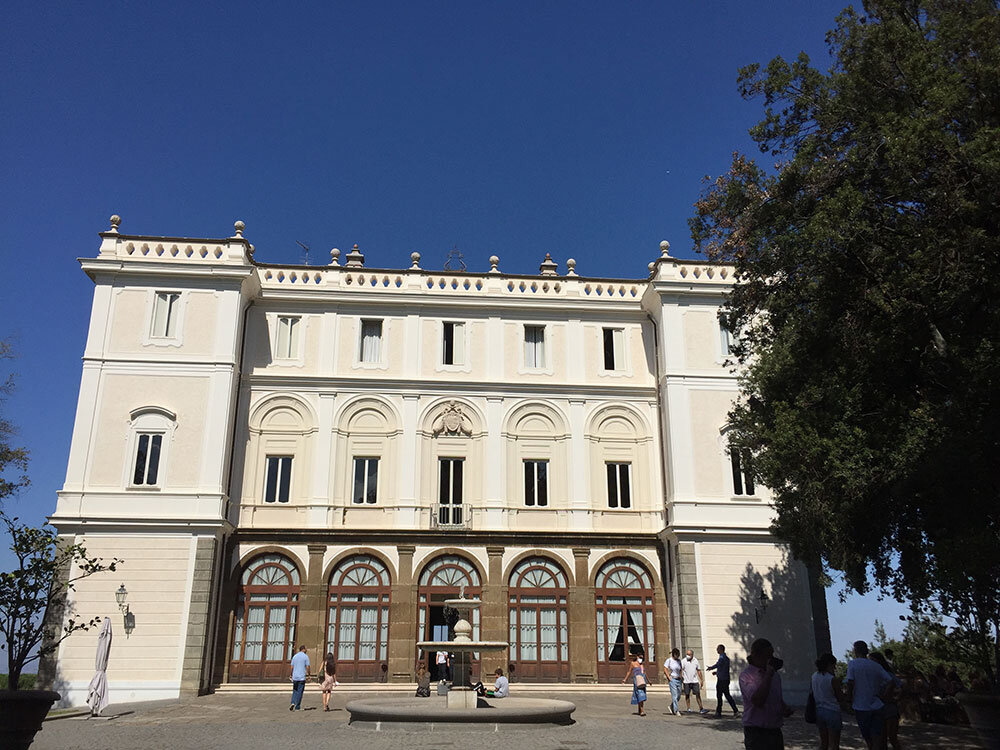
Twelve magnificent Renaissance villas, located a short distance south of Rome within the 3 neighboring municipalities of Grottaferrata, Monte Porzio and Frascati, are a wonder of architecture, garden landscaping and art.
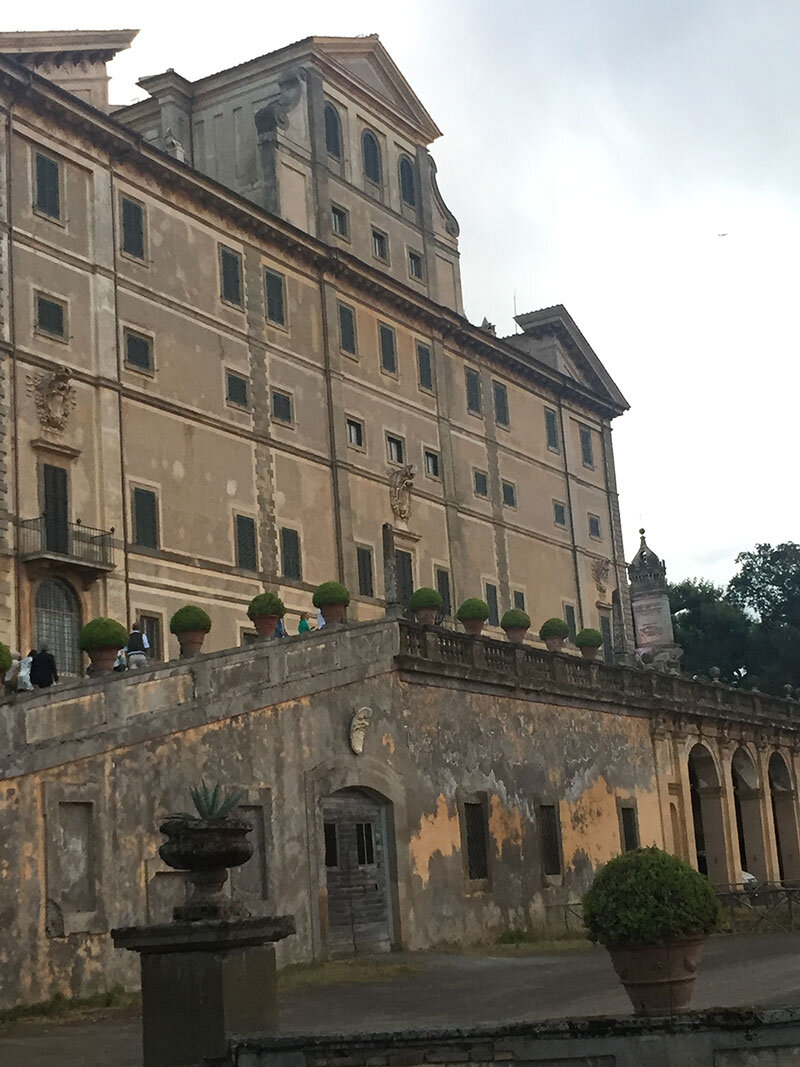
Villa Aldobrandini
What are the Ville Tuscolane?
Built between the sixteenth and seventeenth centuries by papal nobility , these illustrious villas were symbols of prestige, and today they are exceedingly well preserved, despite heavy bombing of the area in WWII. The Ville Tuscolane are located on the slopes of the Tusculum Hill, in the same area where the Roman villas of the imperial era were built, and in some cases, directly on top of ancient villas.
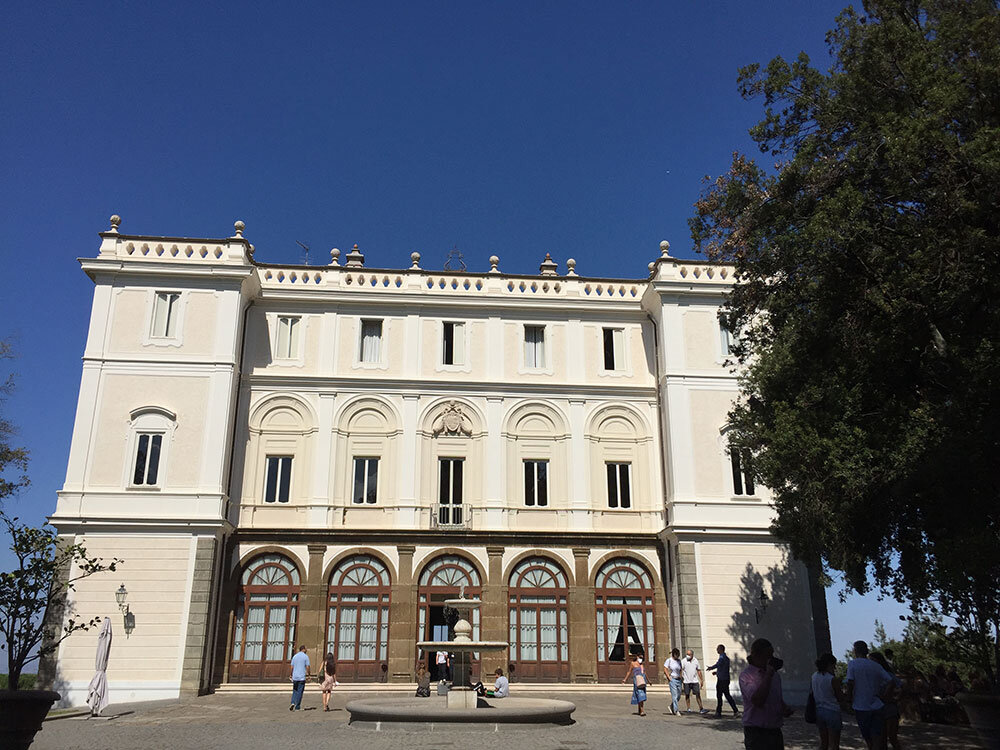
Villa Grazioli
Aristocratic families and the papal court made the Castelli Romani their holiday destination due to its proximity to Rome, ideal climate and rich soils. It became the “in” place to be and certainly a status symbol to have a summer residence.
Nobile families competed in building and updating these extravagant villas and their surrounding elegant gardens, and only the most esteemed artists and architects of the time were commissioned for works.
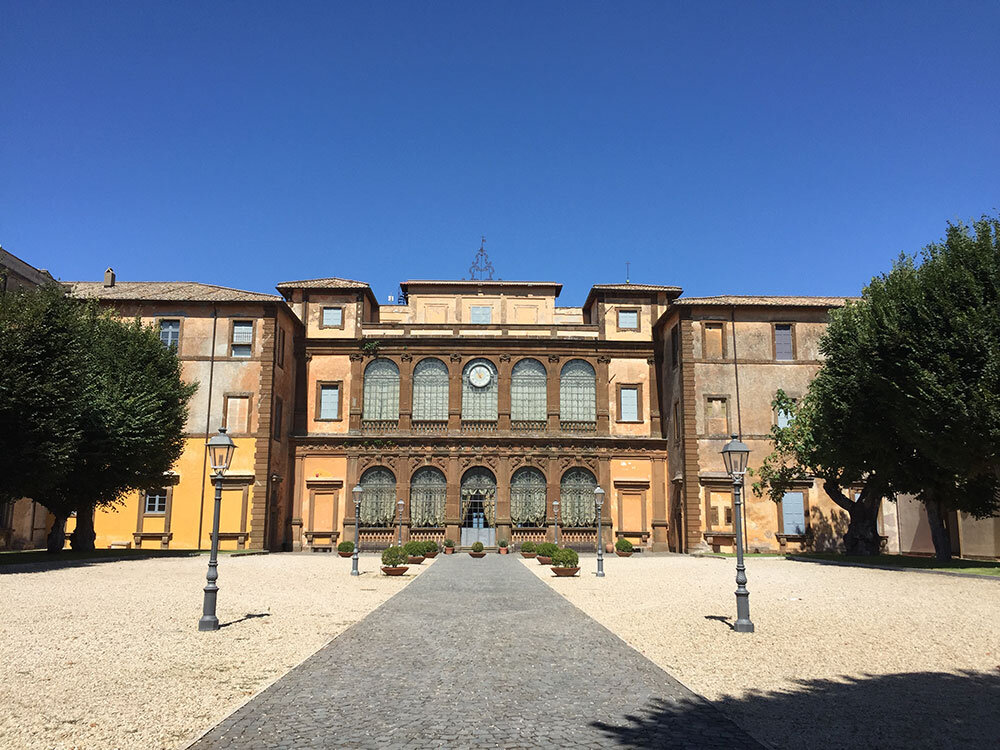
Villa Mondragone
A frescon Villa Grazioli
The Tuscolan Villas became a “Grand Tour” destination for scions of European aristocracy and noteworthy artists and writers between the eighteenth and nineteenth centuries.
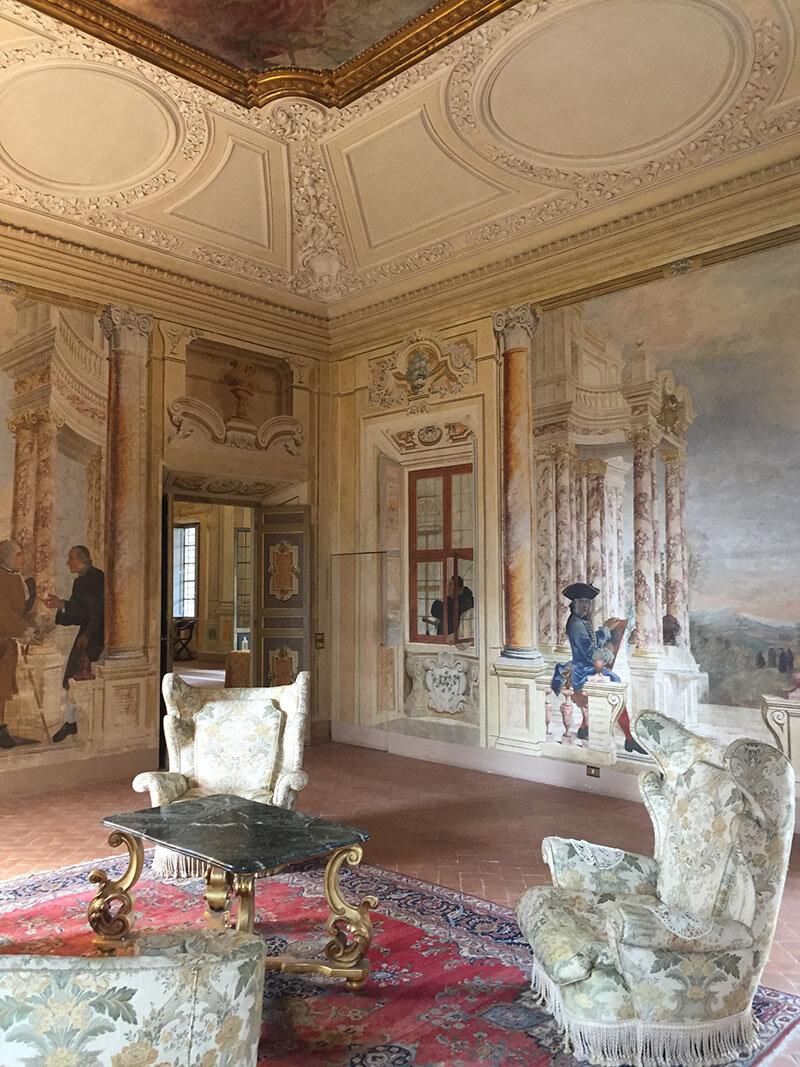
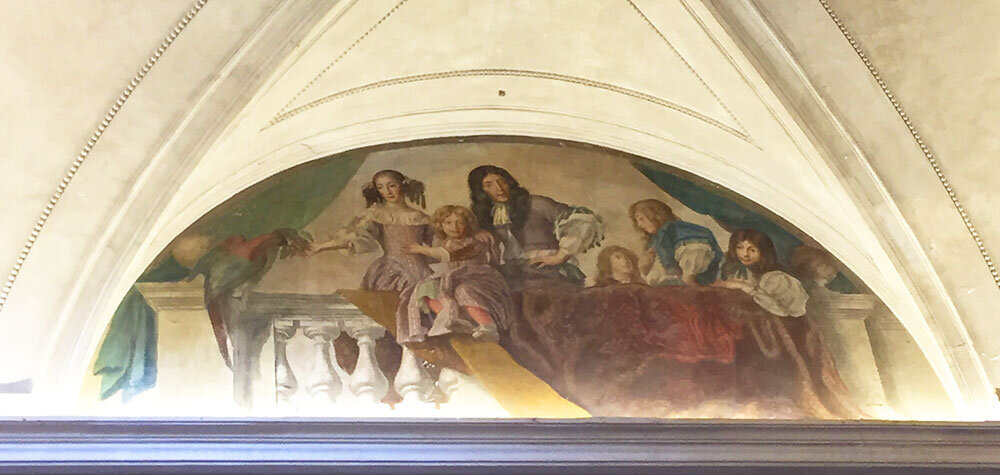
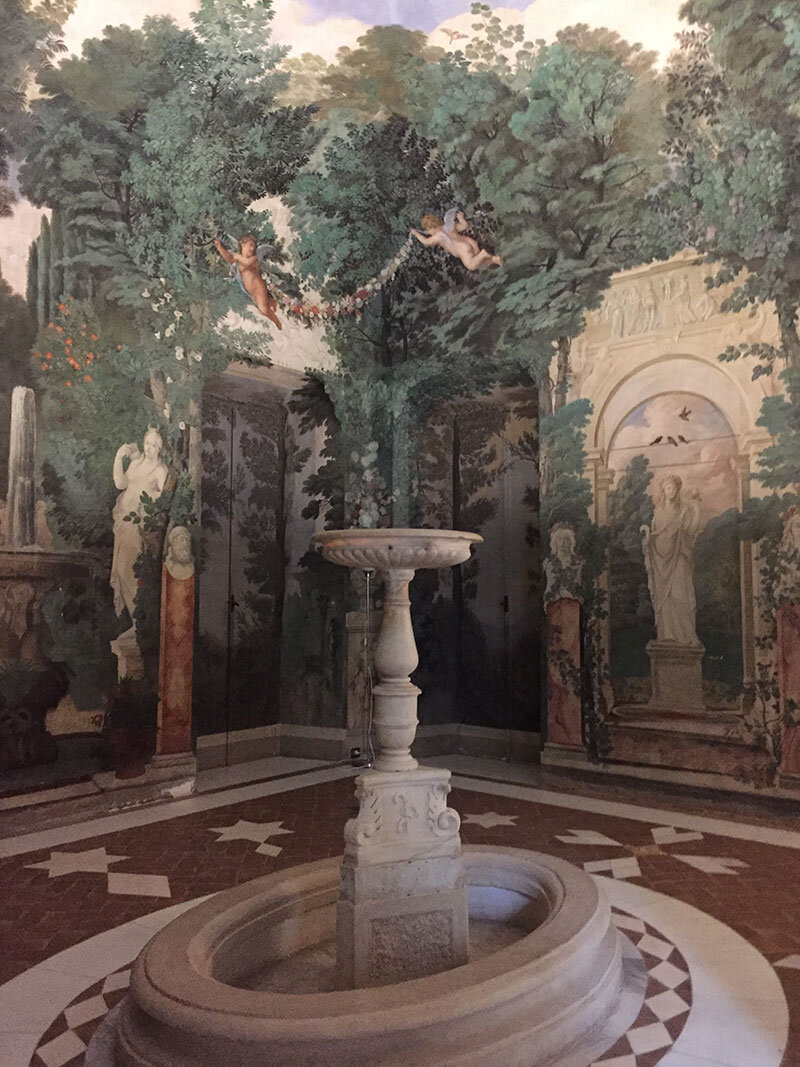
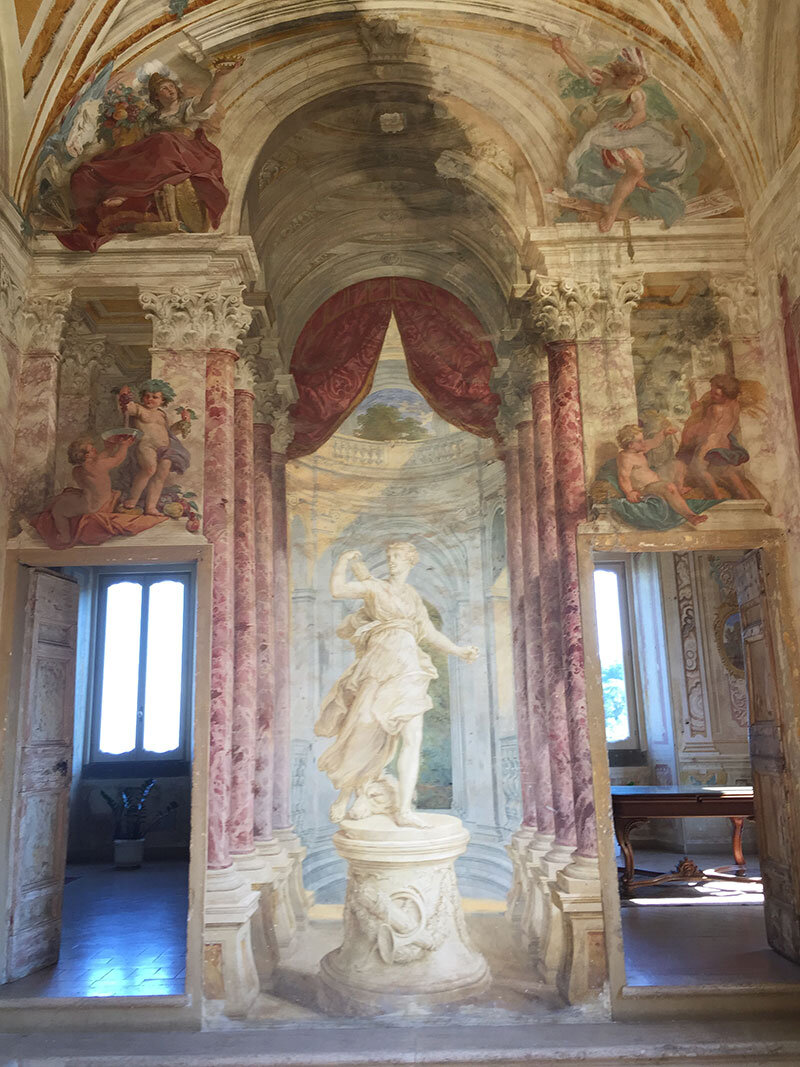
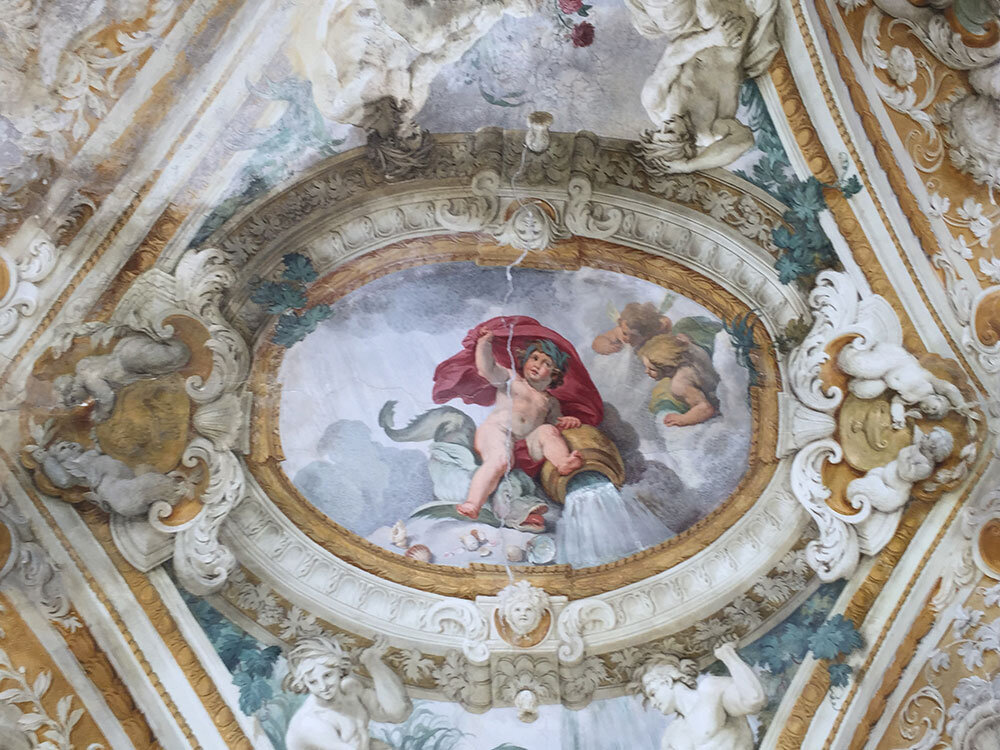
Fresco by and of artist Leone Ghezzi (1674-1755) in the Winter Hall, Villa Falconieri.
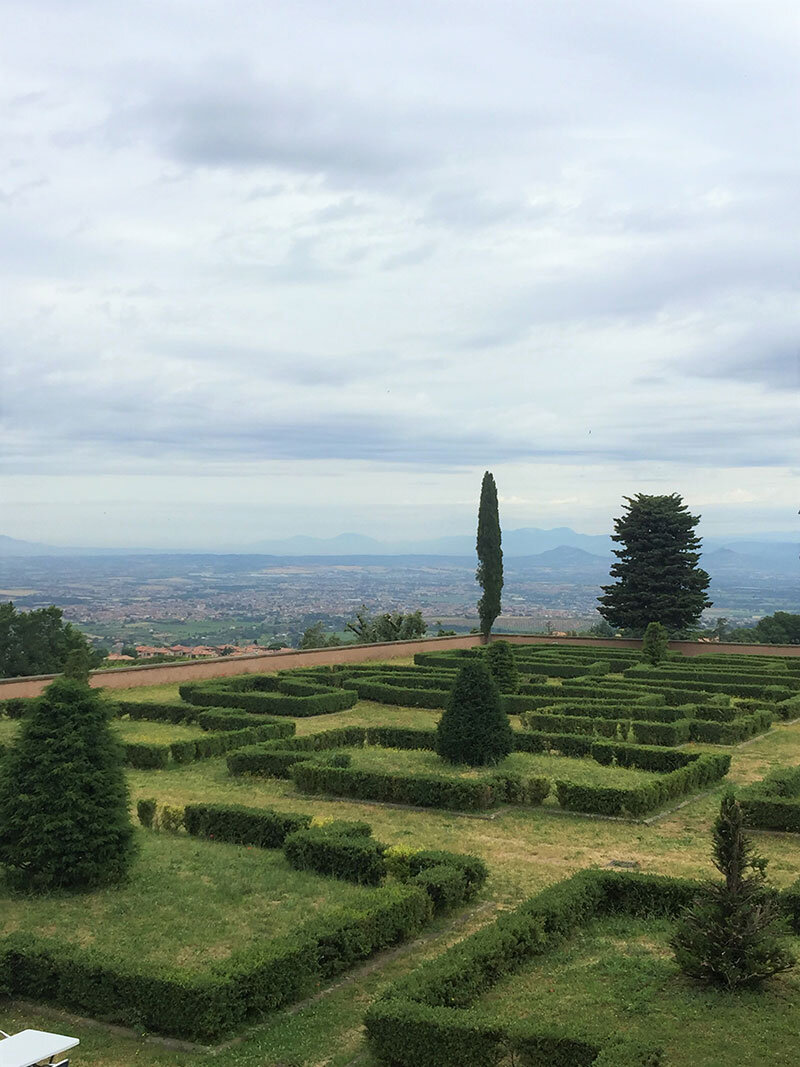
Today, most are stil very well preserved. Their architecture is perfectly integrated within the surrounding landscape. Most were built with their facade facing Rome, and they offer vast panoramic views overlooking the countryside and Rome.
Gardens of Villa Falconieri
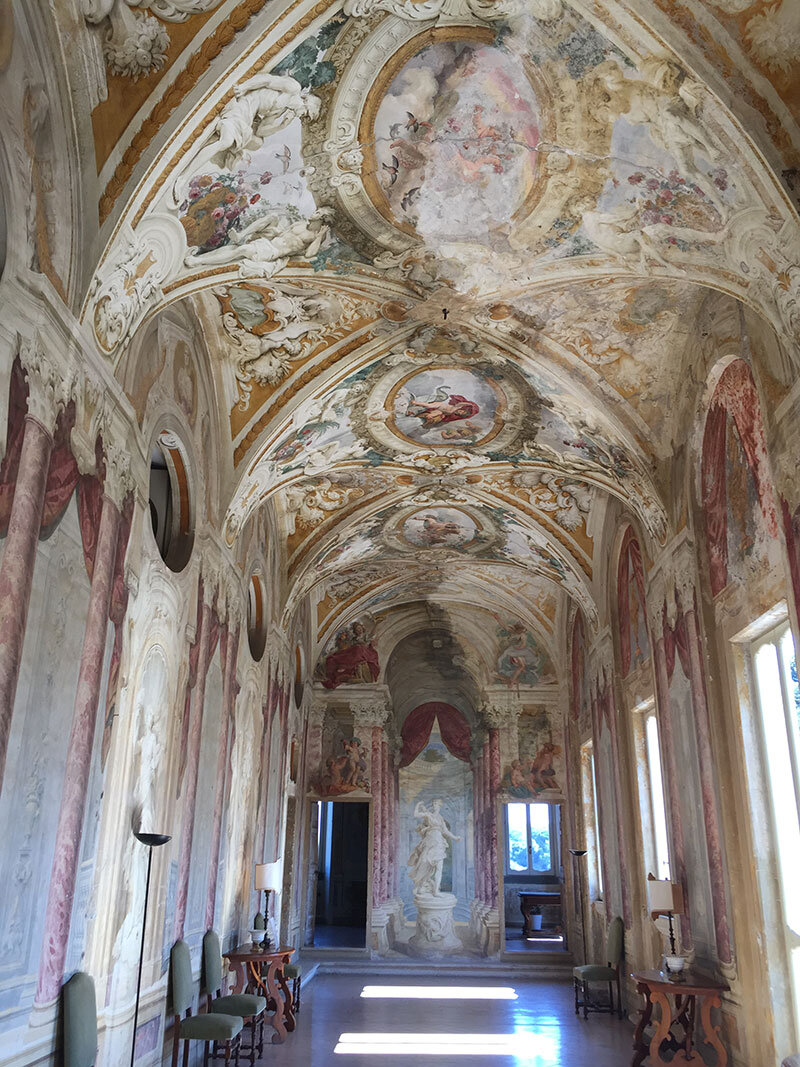
Inside many villas the walls are covered with sumptuous frescos.
Pannini Gallery, Villa Grazioli
Not only are the villas a feast for the eyes, but also captivating: Tales of family gossip, feuds, bankruptcy and Nazi occupations are part of their engaging history. Each villa has its own story to tell. It is possible to visit a majority of the villas today, along with their gorgeous gardens through tours, events and exhibitions.
Members of the Falconieri Family, Villa Falconieri
How to Visit The Villas:
Some villas have remained property of noble families, while others have been transformed into academic facilities, hotels, event locations and public spaces. Depending on the Villa’s function and ownership, each have different visiting options and a few are closed to the public.
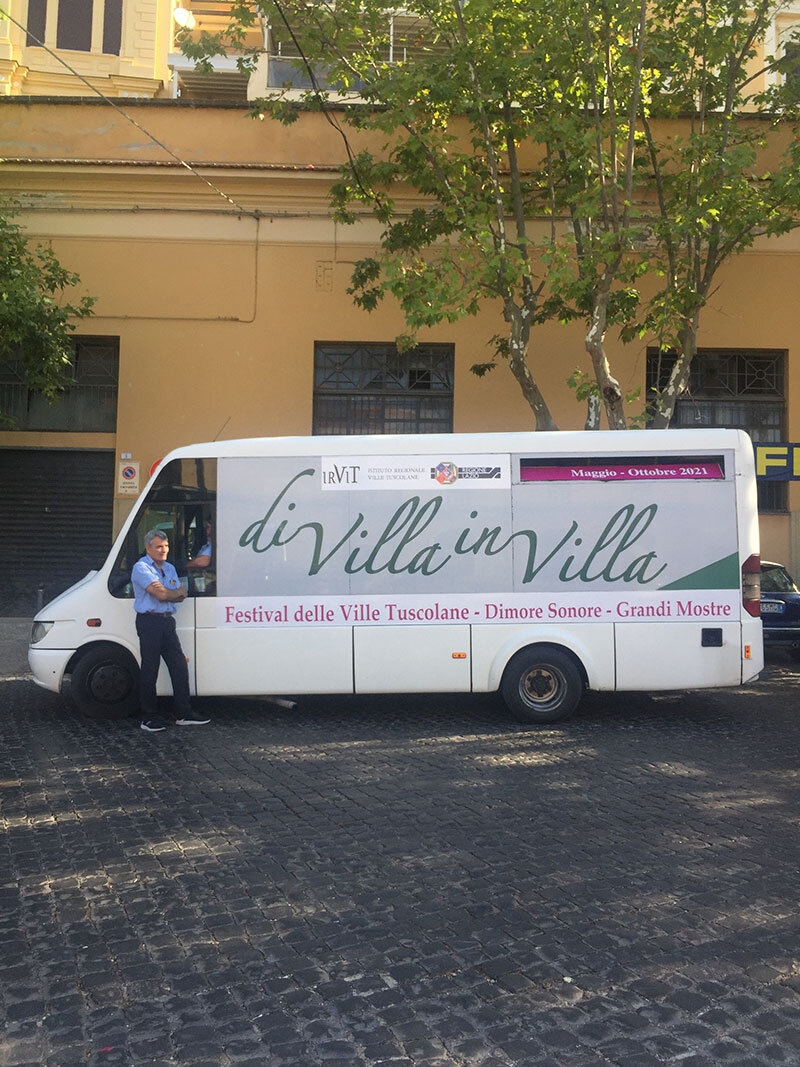
Thanks to initaitives such as “Di Villa in Villa” run by I.R.Vi.T. (Regional Insitute for the Villa Tuscolana) in collaboration with local associations, you can immerse yourself in these historical villas and visit a few places normally closed with specialized guides and a dedicated ecological tour bus.
The Villas often host cultural events, exhibitions and concerts, which are other unique ways to visit these presitigious residences.
Visit I.R.Vi.T. 's site https://www.irvit.it/ for programs, itineraries and events.
Tours in English are available for groups and according to the availability of the individual villas. To book a tour in English, email prenotazioni@irvit.it or by phone +39 375/7026213
For any information relating to the villas outside the "Di Villa in Villa" events or programming, it is requested to contact directly the structure.
Le Ville Tuscolane
In Frascati:
Villa Aldobrandini
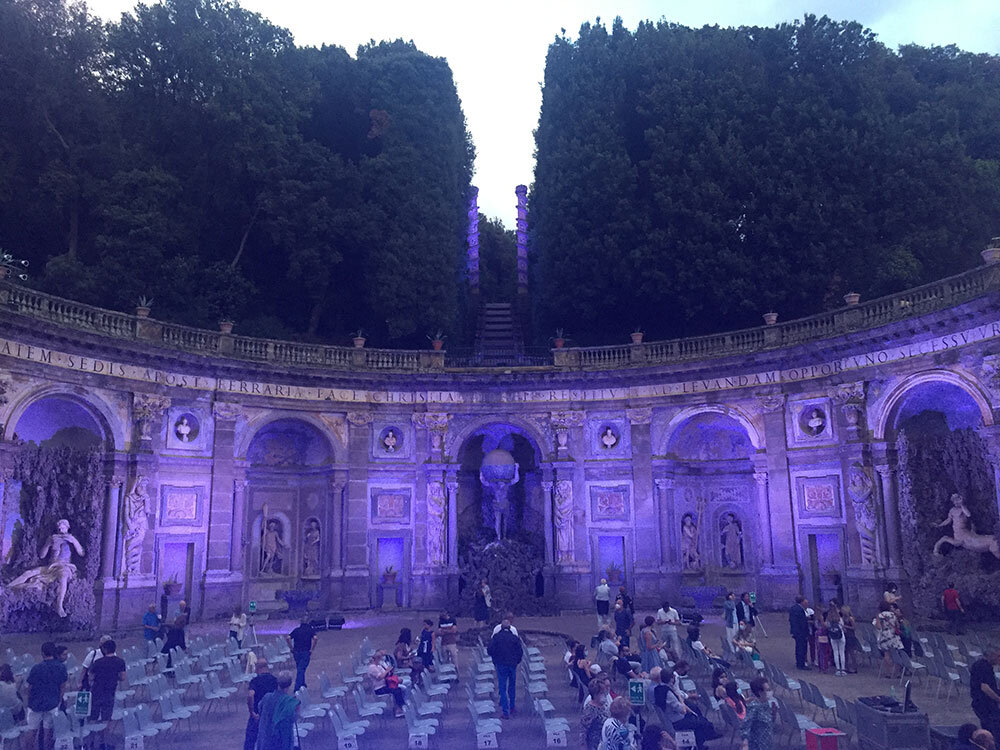
The Villa still belongs to the Aldobrandini family who continue to reside here, therefore the inside is generally closed to the public. However, you cannot miss its dominating presence over Frascati town and the gardens are open to the public. The Villa also hosts concerts and events; once I attended a concert of the Orchestra dell'Accademia Nazionale di Santa Cecilia in the garden.
Villa Aldobrandini's stunning garden location "Teatro delle Acque" is host to a series of concerts
Villa Falconieri
One of my favorites. The Villa is currently home to the Academy Vivarium Novum, an academy of Latin and Ancient Greek studies.
The Spring Room in Villa Falconieri
Villa Lancellotti
The family currently resides in the villa and it is closed to the public.
Villa Sora
The villa is now a middle and high school.
Villa Torlonia
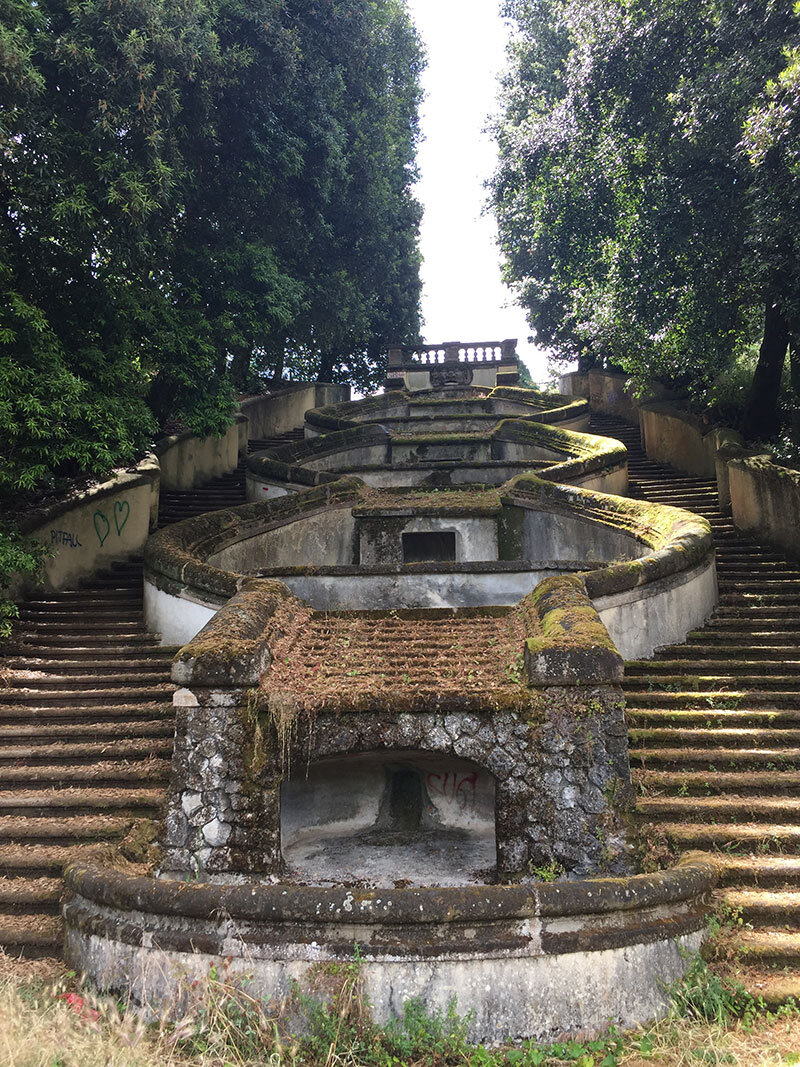
Villa Torlonia sustained majored damage in WWII, was demolished and later replaced by a residential building. The gardens, however, are a public park and contain monumental staircases, fountains and a nymphaeum.
Villa Torlonia
Villa Vecchia has been converted to a hotel.
Villa Sciarra was destroyed in the WWII, was reconstructed and now houses a public school.
Villa Tuscolana has been converted to hotel Villa Tuscolana Park Hotel.
In Grottaferrata:
Villa Grazioli
This Villa has been converted to “Grand Hotel Villa Grazioli”. Highly recommended to visit, the Pannini Gallery and frescos are superb.
Villa Muti is closed to the public
In Monte Porzio Catone:
Villa Mondragone
The villa is now property of Tor Vergata University of Rome and used for conferences and events. A gorgeous villa with dreamy, romantic gardens that are often the backdrop for weddings.
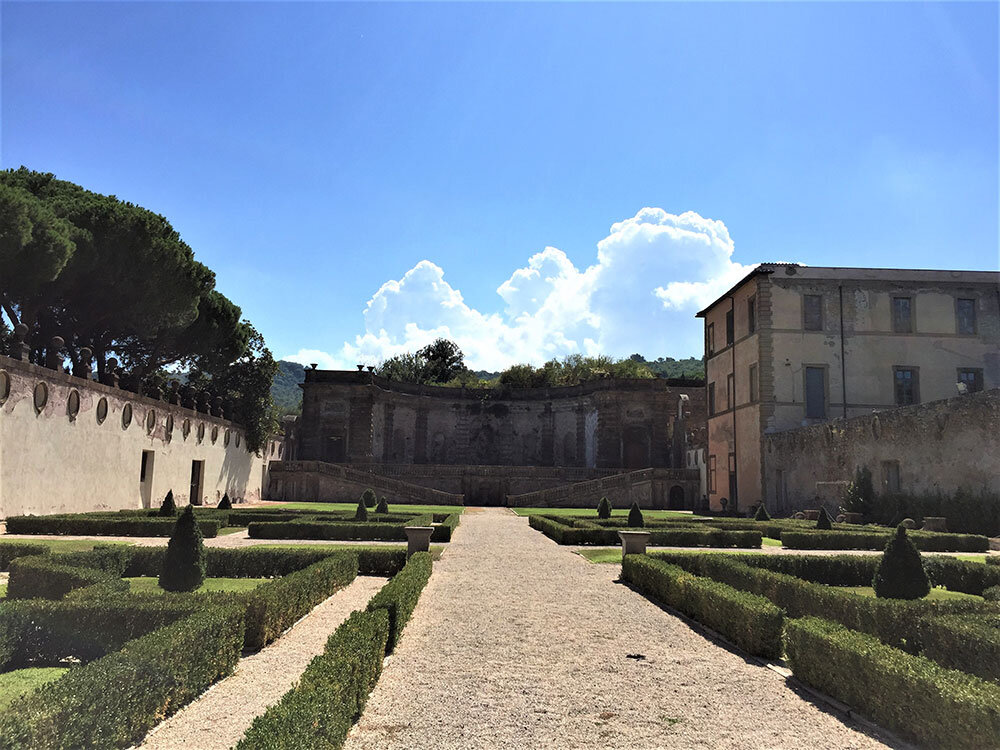
Villa Parisi is generally closed to the public, but IRVIT organizes occational visits through “Di Villa in Villa”